

Introduction: What a Roof Inspection Really Means in Arizona
A roof inspection is a professional evaluation of the visible and accessible parts of your roof system—not just a glance at surface tiles or shingles from the driveway. Depending on the roof type and access, that can include roofing materials, flashing, penetrations, drainage, ventilation, visible underlayment or deck conditions, and other waterproofing details. In Arizona’s East Valley, prolonged heat, intense UV exposure, wind, and monsoon rain make understanding your roof’s condition especially important.
This guide is written for homeowners and commercial property owners in Gilbert, Mesa, Chandler, Tempe, Scottsdale, and nearby East Valley cities. Advanced Precision Roofing (APR), a family-owned roofing contractor based in Gilbert, offers free roof inspections with photo documentation for qualified roof replacement and roof-system projects. APR focuses on complete roofing systems—including tile underlayment replacement, full shingle replacement, and foam and coating systems—rather than one-off patch repairs.
By the end of this article, you will understand what a proper roof inspection includes, when to have your roof inspected, and how findings help you decide between maintenance, restoration, roof replacement, or simply monitoring your roof for now.
Roof Inspection Basics: Purpose, Scope & Arizona-Specific Challenges
A professional roof inspection answers one question: what is the condition of the roof system, and what does the available evidence suggest it needs? A dedicated roofing evaluation is narrower and more roof-specific than a general home inspection, which covers many building systems rather than focusing primarily on roofing.
The core goals of a roofing inspection are to:
- Determine the current condition of all roof system components
- Locate both active roof damage and areas of potential failure
- Identify age- or condition-related concerns in underlayment, shingles, coatings, flashings, and other accessible roof-system components
- Provide clear documentation that supports decisions about monitoring, restoration, underlayment replacement, or full roof-system replacement
Arizona conditions can be demanding on roofing systems. Intense UV exposure, prolonged heat, repeated thermal movement, wind, and monsoon rain can age sealants, flashings, coatings, shingles, and underlayment over time. In the East Valley, roof evaluations help identify developing problems before they become larger waterproofing or roof-system issues.
What Professional Roof Inspectors Look For (System, Not Just Surface)
A qualified roof inspector evaluates the entire system-not just what’s visible from ground level. That means examining the roof deck, underlayment, flashing, penetrations, drainage, ventilation, and all visible roofing materials. Inspectors use photos to document findings during inspections, creating a record that supports decisions on repair, restoration, or roof replacement.
A useful written report from a roof inspection explains observed conditions, documents relevant defects, and gives the property owner a clear basis for deciding what to do next. The important distinction is between cosmetic surface conditions and evidence of a waterproofing or roof-system problem, such as exposed underlayment, deteriorated flashing, damaged roofing materials, recurring leaks, or visible deck concerns.
A thorough inspection may include a ground-level visual survey, roof-surface evaluation, and review of accessible interior or attic evidence when that is relevant to the scope. Advanced Precision Roofing’s focus is roofing-system evaluation and proposal development; APR does not position its inspections as engineering, code-compliance, insurance-adjusting, or home-inspection services.
Exterior Roof Inspection: Tile, Shingle, Foam & Flat Roof Checks
The exterior assessment begins with identifying the roof type, pitch, slope orientation, and overall layout. Visual surveys help identify missing materials and a sagging roof from the ground before anyone climbs up. South- and west-facing slopes receive the most sun exposure and often show damage first.
Here is what the inspector evaluates by roof system:
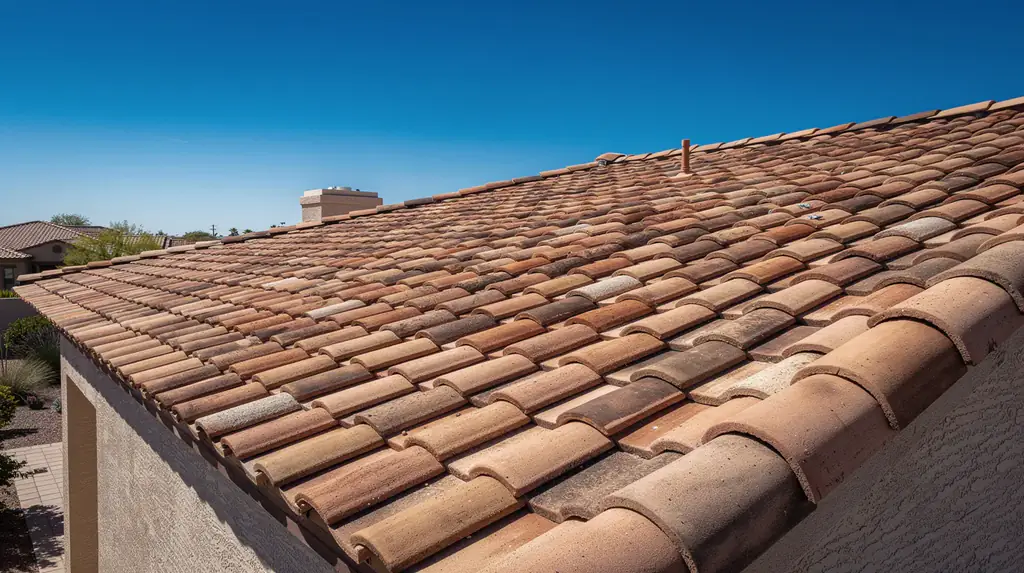
Tile roofs (concrete and clay):
- Slipped, broken, or missing tiles
- Exposed or deteriorated underlayment at eaves and valleys
- Cracked mortar caps on ridges and hips
- Rusted, corroded, damaged, or improperly integrated flashing in valleys, at walls, and around penetrations
Shingle roofs (asphalt shingles):
- Granule loss, curling, cracked shingles, or missing shingles
- Lifted edges from wind damage and exposed fasteners
- Signs of improper installation or layered shingle overlays from past repairs
- Granule loss, edge wear, heat-related deterioration, and other visible signs of shingle aging
Foam and coated flat or low-slope roofs:
- Coating wear, exposed foam, blistering, cracking, or other surface deterioration
- Ponding water, low spots at drains and scuppers
- Failing terminations or waterproofing details at parapet walls, rooftop equipment, penetrations, drains, scuppers, and roof edges
Inspectors pay close attention to transitions and penetrations-chimneys, skylights, vents, pipes, AC stands, satellite mounts-because these are the most common leak sources in Arizona roofing systems. The most important inspection steps include checking roofing material condition and flashings at every transition point, and only trained professionals should safely access roof surfaces for close inspection.
Attic Inspection: What the Underside Reveals
Where it is safe to access, an interior inspection of the attic confirms what is happening beneath the roof surface. This step often reveals damage that cannot be seen from outside.
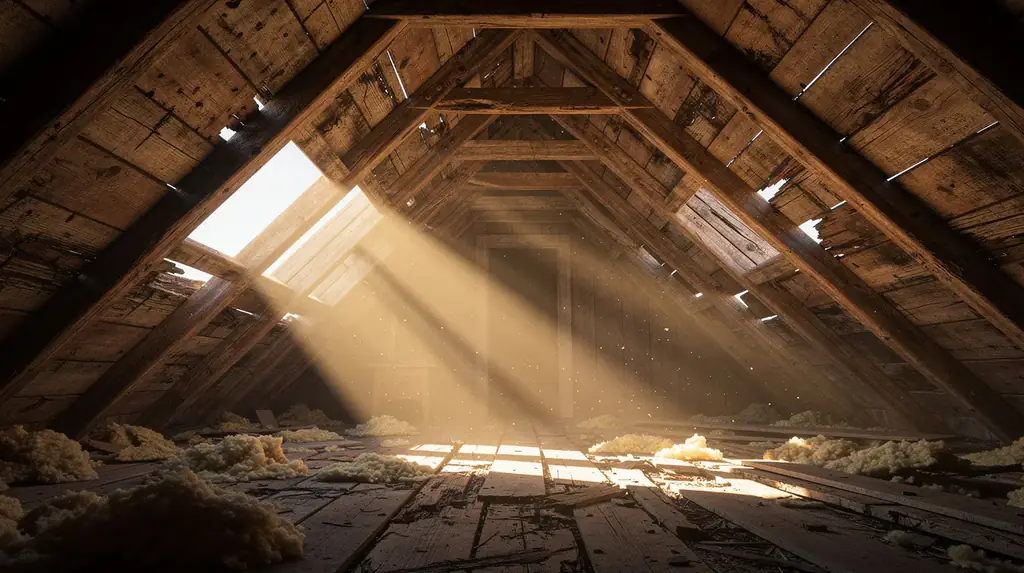
Inspectors look at the underside of the roof deck for:
- Water stains or active dripping during or after storms
- Darkened or discolored sheathing indicating long-term moisture
- Wood rot, mold-like growth, or soft spots in decking
- Daylight shining through the roof deck, which indicates gaps or holes that need immediate attention
When accessible and relevant to the inspection scope, interior or attic evidence can help confirm whether water has traveled through the roof assembly. Staining, damp insulation, visible deck discoloration, or ventilation concerns can provide useful context, but they do not replace an exterior evaluation of the roofing and waterproofing system.
Photo documentation from the attic side often makes it easier for homeowners to understand the difference between an isolated issue and a failing roof system.
Key Components Checked During Roofing Inspections
Every material inspection during a roof evaluation focuses on individual components that, together, form the complete waterproofing system. Inspectors look for visible roofing, deck, waterproofing, and material-condition concerns across these areas:
Roof deck: Inspectors look for sagging areas, soft spots, prior repair patches, and evidence of water damage or structural movement, since sagging sections can point to deeper structural issues, not just surface deterioration. A compromised deck can cause a roof to fail even if the membrane above is still good.
Underlayment: Beneath tile roofing, underlayment is a critical part of the waterproofing system even when the tile above still looks serviceable. Its condition depends on material type, installation quality, exposure, roof details, and age. An inspection should look for accessible evidence of deterioration, exposure, prior leakage, or failure around vulnerable transitions.
Flashing and valleys: Metal flashings at walls, chimneys, skylights, and valleys are checked for corrosion, improper laps, and missing sealant. Damaged flashing can lead to leaks around chimneys and valleys, especially during monsoon rain. Inspecting roof flashing helps prevent moisture intrusion at joints and openings throughout the system.
Penetrations and terminations: Plumbing vents, electrical masts, AC lines, satellite brackets, parapet walls, and roof edges are all evaluated. Failed sealant or improper boot details at these points often start leaks.
Drainage: Gutters (where present), scuppers, internal drains, and low spots are checked for ponding water, sediment lines, or overflow staining. Clogged gutters can back up water, causing damage to eaves and fascia boards.
Ventilation: Inspectors check for adequate intake at soffits and exhaust at ridge or turbine vents. Under-ventilated attics in Gilbert, Mesa, and Chandler can push attic temperatures well above ambient, stressing every roofing material from below.
Signs You Need a Roof Inspection in the East Valley
Not every problem announces itself with a dramatic leak. Roof inspections help identify early signs of damage before small issues escalate into expensive repairs. Here are the warning signs that justify having your roof inspected:
Visible damage from the yard or sidewalk:
- Broken, sliding, or missing tiles
- Missing shingles, cracked shingles, or curled shingles-all signs of age
- Exposed underlayment at eaves or mortar ridge breaks
- Exposed foam or peeling, thinning, cracked, or otherwise deteriorated coatings on flat or low-slope roofs
- A sagging roof line, which can point to underlying support problems rather than just surface wear
Interior clues:
- New or growing water stains on ceilings or walls
- Bubbling or peeling paint, musty odors after storms
- An active leak during heavy rain or light visible through attic decking
Monsoon-season issues:
- Leaks that only appear during heavy, wind-driven rain
- Recurring “mystery” drips near recessed lights, fans, skylights, or chimneys
- Storm damage that may not be obvious until a post-storm inspection reveals hidden problems
Aging indicators:
- Tile roofs with aging or deteriorated underlayment even when the tile itself remains serviceable
- Asphalt shingles showing broad granule loss, curling, cracking, lifting, or other widespread deterioration
- Foam roofs where the protective coating has worn thin or the foam has become exposed
Special situations:
- Planning solar panel installation (mounts penetrate the roof system)
- Adding HVAC equipment to flat roofs
- Buying or selling a home
- Past patch repairs that continue leaking
Early leak detection identifies compromised flashing or missing shingles before water damages ceilings, insulation, or structural framing. Inspecting roofs helps spot weakened areas before severe weather events arrive. Regular inspections prevent minor issues from escalating into costly repairs that could have been avoided entirely.
Photo documentation and a written report can also help property owners maintain a clear record of roof condition after significant weather or high winds, although insurance carriers and adjusters may require their own documentation and evaluation.
Roof Inspections When Buying or Selling a Home
The roof is one of the most expensive systems on any house. In Arizona, a full roof replacement can easily reach five figures depending on size and system type, making the roof’s condition a major factor in any home purchase.
A general home inspection evaluates many systems throughout a property, while a dedicated roof inspection concentrates on roofing materials, waterproofing details, drainage, penetrations, visible substrate conditions, and other roof-specific concerns. That additional focus can be useful when the roof’s condition may materially affect a purchase or sale.
For buyers: Consider a dedicated roof inspection when roof condition could materially affect the purchase. The goal is to understand whether the property shows signs of tile-underlayment failure, widespread shingle deterioration, coating wear, drainage problems, or another roof-system issue that should be budgeted for.
For sellers: A pre-listing roof inspection helps avoid surprises late in escrow, provides photo documentation of roof condition, and guides whether to complete a roof replacement, address specific issues, or offer credits. When selling a home, having a full report ready demonstrates transparency and builds buyer confidence.
Inspection findings can help buyers and sellers understand whether the roof appears serviceable, needs a larger roof-system project, or warrants additional evaluation. APR’s inspection service is not a roof certification, engineering report, insurance adjustment, or general home inspection.
Roof Inspection Cost in Arizona: What Affects Pricing
Advanced Precision Roofing offers free photo-documented roof inspections for property owners considering roof replacement or complete roof-system work. The inspection is tied to APR’s roofing services rather than positioned as a standalone engineering, certification, insurance, or home-inspection product.
How much does a roof inspection cost? Roof inspection cost varies because the scope and purpose of the inspection vary. The answer depends on who performs it and why. Independent, certification, engineering, or other specialty inspection services may be priced separately, while some roofing contractors provide inspections as part of evaluating a larger roofing project. APR’s relevant offer is straightforward: free photo-documented inspections for qualifying roof-replacement and complete roof-system opportunities.
Inspection time varies with roof size, pitch, access, complexity, roof type, number of penetrations, and the amount of documentation required. Property owners should confirm in advance what the inspection includes and what documentation they will receive.
Before booking any roof inspection, confirm what is included: roof access where safe, photos, a written report or written scope, proposal information, and an estimate when roofing work is being proposed. Those differences matter when comparing roof inspection cost and deliverables from a free contractor inspection with a paid independent or specialty inspection.
The Advanced Precision Roofing Inspection Process
Advanced Precision Roofing is a family-owned roofing contractor in Gilbert, Arizona, focused on complete roof systems-not quick patch work. For residential roofing projects, the company’s owner personally walks the roof, documents findings with photos, and prepares a detailed written proposal for the recommended roofing system.
The general inspection process follows a straightforward sequence:
- Scheduling: The homeowner contacts APR with known leaks, concerns, or a request online for an inspection.
- Information gathering: APR asks about known problem areas, leak history, and roof age.
- Systematic exterior inspection: The owner walks the roof, checking all visible roofing materials, flashing, penetrations, drainage, and transitions.
- Findings documentation: Relevant roof conditions are photographed and incorporated into the inspection findings.
- Findings review: Results are discussed with the property owner, including the documented conditions and written scope for any proposed roof-system work.
APR’s written scope outlines the proposed roof replacement or roof-system work—whether that is tile underlayment replacement, a new tile system, a full shingle assembly with tear-off, or an appropriate foam and coating system—with named materials where applicable. The objective is to give the property owner a clear scope rather than vague verbal feedback.
APR does not position its roof inspections as insurance adjusting, engineering certification, structural code inspection, or general home-inspection services.
Tile Roof Underlayment Inspections: APR’s Assess–Propose–Rebuild Approach
Concrete and clay tile roofs are common across Gilbert, Mesa, Chandler, Tempe, and Scottsdale. The tile itself and the underlayment beneath it do not necessarily age at the same rate, which is why a roof can still have serviceable tile even when the waterproofing layer below needs attention. A thorough roof inspection helps determine whether a tile underlayment replacement can preserve and reset serviceable existing tile or whether a full new tile roofing system is more appropriate.
APR uses a three-step approach for tile roof underlayment replacement projects:
Assess: For tile projects, APR uses an aerial measurement report and owner Don Tomko walks the roof to document relevant roof-deck, underlayment, flashing, and overall roof-system conditions.
Propose: A written proposal defines the recommended roofing system, named materials, and scope of work, including reuse of serviceable existing tile where appropriate.
Rebuild: When the owner proceeds, APR rebuilds the tile roof as a complete system-new underlayment, properly integrated flashings, and resetting existing tile or installing new tile where a full roof replacement is chosen.
How Inspection Findings Guide Repair, Restoration or Roof Replacement
Not every inspection ends in a roof replacement. The goal is to match the solution to the actual condition of the roof system, so property owners can avoid both unnecessary spending and neglecting real problems.
Isolated findings: An inspection may show that a problem is limited to one area rather than system-wide. APR’s service focus, however, is complete roof systems and larger waterproofing or restoration work rather than small patch repairs.
Restoration or recoating: For commercial and residential flat roofs where the underlying foam is sound but the protective coating has worn, a foam restoration with drainage correction and new coating application may extend the roof’s life significantly without a full tear-off.
Full replacement or system rebuild: Widespread underlayment failure on tile roofs, heavily deteriorated asphalt shingles across multiple slopes, or significant deterioration in both the foam and protective coating may point toward a new roof or complete system rebuild.
Ask your roofing professional to explain which findings are observations to monitor, which indicate maintenance or restoration needs, and which point toward a larger roof-system replacement. That makes the written scope easier to understand and compare.
Questions to Ask Your Roof Inspector After the Inspection
After any roof inspection, ask the roof inspector for a plain-language explanation of findings with photos showing where roof damage is located and how serious it is. Here are specific questions worth asking:
- Is the problem isolated to one area, or is it system-wide across multiple slopes?
- What is the estimated remaining life of the roof system under typical East Valley conditions?
- What are the options-maintenance, restoration, roof replacement-and the pros and cons of each?
- Which specific materials and roof systems are being proposed, and why do they fit Arizona heat and monsoon conditions?
- How soon should a roof replacement or major repair be scheduled, and are there temporary steps to reduce risk until work begins?
- Does the roofing contractor focus on full roof systems or primarily small patch repairs?
Understanding the answers to these questions—backed by photos, a written report, and a clear estimate when work is proposed—helps you make confident decisions rather than guessing about your roof’s condition.
How Often to Schedule Roof Inspections in Arizona
There is no single inspection interval that is right for every Arizona roof. Appropriate timing depends on roof type, age, installation history, exposure, previous leaks, coating condition, drainage, and whether the property recently experienced significant wind or monsoon activity.
Rather than relying on a universal age table, property owners should consider a roof inspection when visible conditions change, after significant weather if damage is suspected, before a major roofing decision, when buying or selling a property, or when older roofs begin showing broader signs of deterioration. The purpose is to catch problems early enough to plan the next step rather than waiting for an active leak.
Tile roofs deserve attention when underlayment or flashing concerns begin to appear even if the tile remains serviceable. Shingle roofs should be evaluated when widespread granule loss, curling, lifting, cracking, or other deterioration develops. Foam and coated flat roofs benefit from periodic checks of coating condition, exposed foam, drainage, penetrations, and ponding areas.
The goal is not to inspect on an arbitrary calendar; it is to catch meaningful roof-system changes early enough to make an informed decision before water intrusion or widespread deterioration forces the issue.
If you are a property owner in Gilbert or the surrounding East Valley and want to understand your roof’s condition before a major roofing decision, Advanced Precision Roofing offers free photo-documented inspections for homeowners and business owners considering roof replacement or complete roof-system work. Contact APR to schedule an inspection and receive a documented recommendation based on the roof in front of you.


